
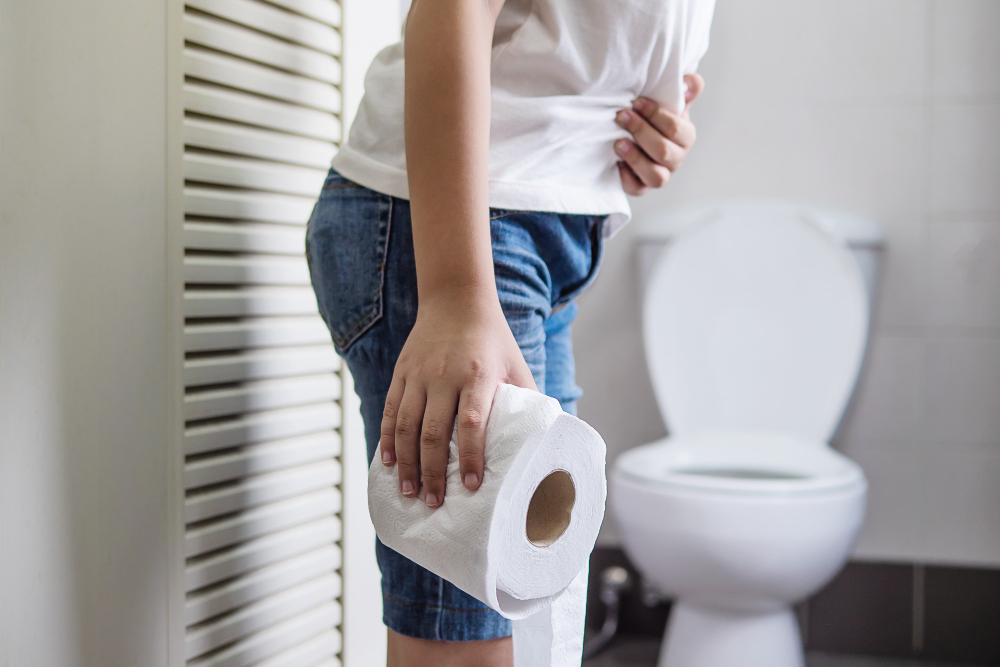
Introduction
Constipation and piles are common problems that many people face. Constipation means having fewer bowel movements or hard stools. Piles, also called hemorrhoids, are swollen veins in the lower part of the rectum or anus. Often, these two conditions are linked. In this blog, we will explore the connection between constipation and piles. We will also discuss symptoms, causes, and ways to prevent these issues.
What is Constipation?
Constipation happens when you have trouble passing stool. Sometimes, stools become hard or dry. You may also feel pain or strain during bowel movements. Usually, having fewer than three bowel movements a week is a sign of constipation. Many things can cause constipation, such as:
For most people, constipation is short-term. However, it can become a long-term problem for some.
What are Piles (Hemorrhoids)?
Piles, or hemorrhoids, are swollen blood vessels in the anus or rectum. They can be inside or outside the anus. Piles can cause pain, itching, and sometimes bleeding. There are two main types:
Piles are very common. According to the CDC, about half of adults over age 50 have had piles at some point.
How Are Constipation and Piles Connected?
Many people wonder about the link between constipation and piles. When you are constipated, you may strain to pass stool. This straining puts extra pressure on the veins in your rectum and anus. Over time, this pressure can cause the veins to swell and form piles. In other words, constipation is a leading cause of piles. If you often have hard stools or strain during bowel movements, you are more likely to develop piles. Therefore, treating constipation can help prevent piles from forming.
Symptoms to Watch For
It is important to know the signs of constipation and piles. Early treatment can help prevent problems from getting worse. Watch for these symptoms:
If you notice blood in your stool or severe pain, see a doctor right away.
Diagnosis and When to See a Doctor
Most cases of constipation and piles can be managed at home. However, you should see a doctor if:
Doctors may ask about your symptoms and do a physical exam. Sometimes, they may suggest tests to rule out other problems. Early diagnosis helps prevent serious issues.
Treatment Options
Treating constipation and piles often starts with simple changes. Here are some common treatments:
In some cases, doctors may suggest other treatments. These can include rubber band ligation, sclerotherapy, or surgery for severe piles. Always talk to a healthcare provider before starting any new treatment.
Lifestyle Tips and Prevention
Preventing constipation and piles is possible with healthy habits. Try these tips:
These steps can help keep your bowels healthy and lower your risk of piles.
Conclusion
Constipation and piles are closely linked. Straining during bowel movements can lead to piles. However, you can prevent both by following healthy habits. If you notice symptoms or have concerns, consult a specialist at Piyush Hospital for personalized guidance. Our expert team is here to help you manage and prevent these conditions for better digestive health.